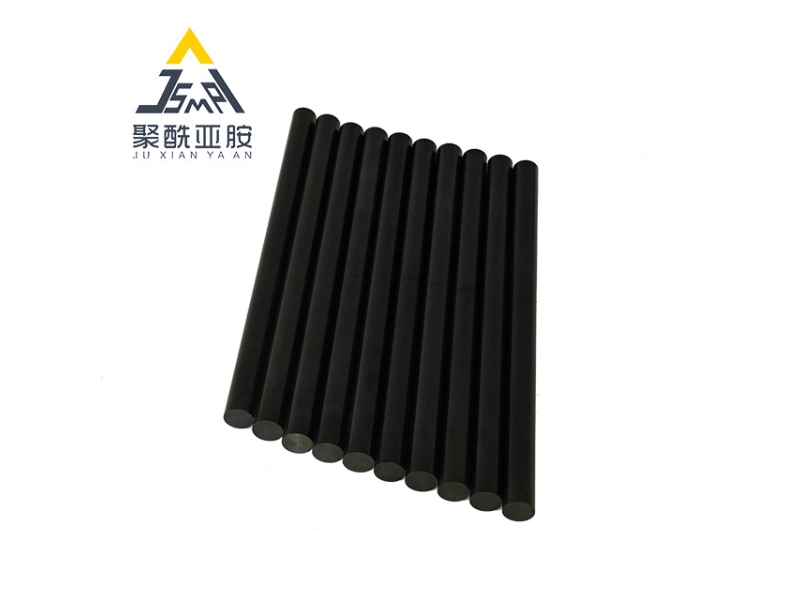
Within the constantly changing landscape of high-tech technologies, conductive materials play a key role in enhancing efficiency and efficiency. Among these, conductive polyimide resin rods have emerged a important component, offering a distinct combination of physical strength, heat resistance, and electrical conductivity. These properties make them coveted in various applications, particularly in industries that demand high-performance materials, such as aerospace engineering.
The aerospace industry, renowned for its rigorous standards and challenging environments, has found a valuable ally in conductive polyimide rods. Such rods not only meet the stringent requirements for mass and durability but also provide essential conductive pathways for power systems. As the demand for light and optimized solutions continues to increase, conductive polyimide resin rods are setting the stage for progress and superiority in advanced technologies.
Overview of Conductive Polyimide Material
Conductive polyimide material is a premium material that has received significant attention in advanced technology applications. Known for its exceptional thermal stability, chemical resistance, and mechanical strength, this resin is widely used in sectors that require materials to tolerate extreme conditions. The incorporation of electrically conductive fillers enhances its electrical conductivity, making it suitable for a variety of electronic and aerospace applications.
In the aerospace industry, polyimide rods are particularly crucial due to their ability to endure high temperatures and harsh environments. These rods provide dependable electrical and thermal insulation while maintaining structural integrity, making them vital components in aircraft and spacecraft designs. Their light nature contributes to fuel efficiency and overall performance, which is essential in aerospace development.
Moreover, the flexibility of conductive polyimide resin allows it to be adapted for specific applications. With different levels of conductivity and adaptability to different manufacturing processes, these rods can be designed for use in flexible electronics, sensors, and other high-tech solutions. As the demand for innovative materials continues to grow, conductive polyimide resin rods are poised to play a key role in the evolution of top-tier technologies.
Key Properties and Benefits
Conductive polyimide resin rods are renowned for their outstanding thermal stability, enabling them to resist high temperatures without compromising their integrity. This property makes them ideal for applications in the aerospace industry, where materials must operate reliably in high-temperature environments. The capacity to maintain mechanical strength at increased temperatures ensures that these rods can be used in vital components such as insulation, cables, and structural parts that are crucial for flight safety.
A further significant advantage of conductive polyimide rods is their exceptional electrical conductivity. This quality facilitates their use in advanced electronic applications, particularly in aerospace and defense systems where functionality and dependability are crucial. The rods allow for efficient electrical interconnections while reducing the risk of signal interference. This makes them uniquely valuable in the development of lightweight devices required for next-generation technologies.
Moreover, conductive polyimide resin rods exhibit superb chemical resistance, making them suitable for environments where interaction with harsh chemicals and fuels is common. This characteristic is crucial for aerospace applications where components are regularly subjected to aggressive substances. Furthermore, the rods possess built-in mechanical strength and flexibility, allowing for diverse applications across various advanced technological fields, from precision instruments to high-efficiency composites.
Applications in Aerospace Industry
Electrically conductive polyimide resin rods are increasingly being used in the aerospace industry due to their exceptional mechanical properties and thermal stability. The featherweight nature of these rods, combined with their high-performance features, makes them ideal for uses in aircraft structures, insulation components, and various electronic devices found in aerospace technology. Engineers are turning to polyimide rods for their ability to tolerate extreme temperatures and harsh environmental conditions, which are frequent in aviation.
In particular, conductive polyimide rods play a vital role in the development of cutting-edge avionics systems. https://www.hsjuxin-pi.com/category/products/polyimide-rod/ require materials that can not only provide structural support but also preserve conductivity for the electronic components. The use of polyimide rods ensures reliable performance of wiring and electronic housings, leading to enhanced functionality and safety in aircraft. Their resistance to corrosion and neutrality against different chemicals further places them as a popular material within aerospace applications.
Furthermore, the future of sustainable aviation technology is expected to benefit from the incorporation of conductive polyimide resin rods. As the aerospace industry advances towards more environmentally friendly practices, the lightweight nature of these materials contributes to fuel efficiency and reduced emissions. Their versatility allows for integration with other advanced materials, paving the way for innovative designs that satisfy the evolving demands of the aerospace sector.
Upcoming Trends in Innovative Tech
The progress of electrically-conductive polyimide resin rods is closely tied to innovations in the aviation industry. As the need for light and versatile substances increases, these rods are becoming crucial in the development of sophisticated aircraft and spacecraft components. Upcoming studies will center on enhancing the conductivity and thermal stability of polyimide materials, enabling them to be incorporated into increasingly intricate systems, such as sensors and smart structural components. This will eventually lead to improved performance and operational efficiency in aerospace applications.
In parallel to aerospace, the electronic industry is witnessing a surge in the use of high-performance polyimide rods. With the rapid progress of adaptable electronics and wearables, the need for materials that can endure extreme conditions while preserving excellent electrical properties is essential. Researchers are exploring the capabilities of hybrid polyimide formulations that can combine the benefits of various polymers, thus broadening the scope of applications for conductive polyimide rods in advanced devices.
Looking ahead, the eco-friendliness aspect of material development will play a significant role in the future of conductive polyimide resin rods. The movement for green materials is prompting scientists to explore biodegradable polyimides and recycling methods for existing materials. This trend toward sustainability not only aligns with global environmental goals but also offers new opportunities for innovation in material science, ensuring that conductive polyimide rods remain at the forefront of advanced technologies.